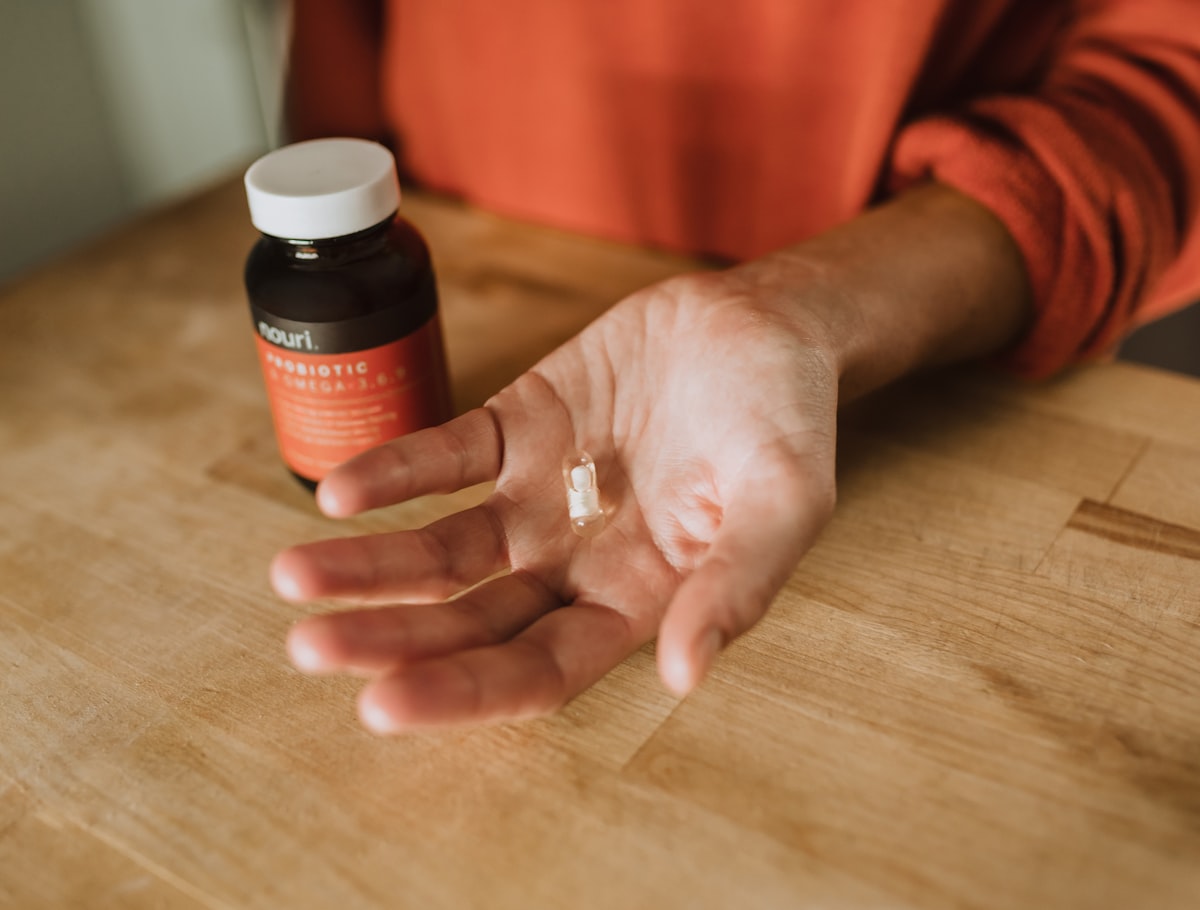
The perimenopause supplement market is enormous and largely unregulated. Companies know you’re searching for solutions, and many are happy to sell you expensive products with slick marketing and minimal evidence. If you want to advocate effectively at your next appointment, knowing which supplements have real data behind them is a good place to start. We’re going to be honest about what the research actually shows.
Some supplements have genuine evidence behind them. Many do not. A few carry real safety concerns. For reliable background information on the menopausal transition, the Office on Women's Health menopause page is a good place to start. Understanding the difference between evidence-based and unproven supplements can save you hundreds of dollars and, more importantly, help you focus on what might actually help.
Supplements With Meaningful Evidence
These have research supporting their use during perimenopause. “Meaningful evidence” means multiple studies showing benefit, not a single small trial or preclinical data. As the North American Menopause Society notes, none of these are as effective as hormone therapy or prescription medications for the symptoms they address.
Magnesium
Probably the most broadly useful supplement during perimenopause. Many women are mildly deficient, and the symptoms of magnesium deficiency overlap substantially with perimenopause symptoms.
- What it helps: May modestly improve sleep quality, especially if you run low. Evidence for muscle cramps, anxiety, mood, headaches, and hot flashes is weak or mixed.
- Forms: Magnesium glycinate or magnesium threonate are better absorbed and less likely to cause digestive issues than magnesium oxide.
- Dosing: Up to 350 mg daily from supplements, which is the upper limit for adults set by the NIH Office of Dietary Supplements, usually taken in the evening
- Evidence quality: Modest. Some evidence for sleep quality. Weak or mixed for muscle cramps, anxiety, and hot flashes.
Vitamin D3
Not glamorous, but genuinely important during perimenopause. Many women are insufficient, and the consequences during this transition are significant.
- What it helps: Bone health (essential for calcium absorption) and immune function. Evidence for mood and cognitive benefits is weak or mixed.
- Dosing: 1,000-2,000 IU daily as a starting point. The Endocrine Society’s 2024 guideline recommends against routine vitamin D blood testing for most healthy adults under 75 and does not set a target blood level.
- Evidence quality: Strong for bone health. Weak or mixed for mood. Take with a fat-containing meal for better absorption.
Melatonin
Your body’s natural melatonin production declines with age, and this decline accelerates during perimenopause.
- What it helps: Sleep onset (falling asleep), circadian rhythm regulation
- Dosing: Start low: 0.5-1 mg, 30-60 minutes before bed. More is not better; higher doses (5-10 mg) can actually disrupt sleep architecture. If 0.5 mg doesn’t help, increase gradually.
- Evidence quality: May help some people fall asleep a little faster. It is not a treatment for chronic insomnia, where CBT-I is the first-line approach. Less effective for sleep maintenance (staying asleep through the night). Extended-release formulations may help with both.
- Note: Melatonin is generally safe for short- to medium-term use. Long-term safety data is limited.
B Vitamins
- B6: Involved in serotonin and GABA production. May help with mood, PMS-like symptoms, and sleep. 25-50 mg daily. Do not exceed 100 mg/day (higher doses can cause nerve damage).
- B12: Important for energy, cognitive function, and nervous system health. Absorption decreases with age. Consider methylcobalamin form (better absorbed). 500-1,000 mcg daily.
- Folate (B9): Important for mood regulation and cardiovascular health. 400-800 mcg daily (methylfolate form preferred, especially for those with MTHFR variants).
- Evidence quality: Moderate. Best evidence is for correcting deficiencies rather than treating symptoms directly.
Calcium
- What it helps: Bone density preservation
- Dosing: 1,200 mg total daily from food + supplements. Most women get 400-600 mg from diet, so a 500-600 mg supplement can make up the difference. Take with vitamin D for absorption.
- Important: More is not better. Excessive supplemental calcium (above 1,500 mg/day) may increase cardiovascular risk. Prioritize calcium from food sources.
Creatine (Emerging)
Yes, creatine, the same supplement used by athletes. Emerging research suggests it may support cognitive function during perimenopause, as the brain uses creatine for energy metabolism. It also supports muscle recovery and strength when combined with resistance training.
- Dosing: 3-5 grams daily of creatine monohydrate
- Evidence quality: Emerging. Strong for muscle support with exercise. Promising but still early for cognitive benefits in perimenopausal women specifically.
Track your symptoms. See the pattern.
Our printable six-month Perimenopause Symptom Tracker helps you log what you’re experiencing, spot patterns, and see what’s connected to what.
Free PDF, sent to your inbox. You’ll also get occasional emails from us. Unsubscribe anytime.
Supplements With Limited or Mixed Evidence
These are widely marketed for perimenopause but have weaker or more inconsistent evidence. This does not necessarily mean they don’t work for anyone. It means the science does not strongly support spending money on them.
Phytoestrogens (Soy Isoflavones, Red Clover)
Plant compounds that weakly bind to estrogen receptors. Meta-analyses of soy isoflavones suggest a modest reduction in hot flash frequency of approximately 20-25%, though phytoestrogen supplements are not FDA-approved or evaluated for menopausal symptoms. Whole soy foods (tofu, edamame, tempeh) appear more effective than isolated soy supplements.
Black Cohosh
Black Cohosh: Weak Evidence + Safety Concern
Despite being one of the most widely sold menopause supplements, black cohosh does not have strong evidence supporting its effectiveness. Multiple systematic reviews have found mixed results. More importantly, there have been rare reports of liver injury associated with black cohosh use, and The Menopause Society does not recommend it. If you choose to use it, inform your doctor and monitor for signs of liver problems (fatigue, dark urine, jaundice).
Ashwagandha
An adaptogen with some evidence for reducing cortisol and anxiety. May help with stress-related perimenopause symptoms indirectly. Evidence for direct menopause symptom relief is limited. Generally well-tolerated at 300-600 mg daily.
Omega-3 Fatty Acids
A common general health supplement, but evidence for direct perimenopause symptom relief is modest. Better obtained from fatty fish (salmon, sardines) 2-3 times per week than from supplements.
Important Safety Warnings
Biotin (Vitamin B7): Lab Test Interference
FDA Warning: Biotin Interferes with Lab Tests
The FDA has issued a safety communication warning that biotin supplements can significantly interfere with certain blood tests, causing falsely high or falsely low results. This can affect thyroid function tests, hormone panels, cardiac biomarkers (troponin), and other common lab work. One reported case resulted in a misdiagnosis. Always tell your doctor and lab if you are taking biotin before any blood work. Most multivitamins and “hair, skin, and nails” formulas contain biotin, often at doses far above the daily requirement.
General Supplement Safety
- Supplements are not FDA-regulated like drugs. Quality, purity, and dosing accuracy vary widely between brands. Look for third-party testing certifications (USP, NSF, ConsumerLab).
- More is not better. Fat-soluble vitamins (A, D, E, K) can accumulate to toxic levels. Follow recommended dosing.
- Supplements can interact with medications. Always inform your healthcare provider about everything you take, including supplements.
- Expensive does not mean effective. Many high-priced perimenopause supplement blends contain the same ingredients available individually for a fraction of the cost, often at lower doses.
An Honest Assessment
Here is what we want you to know: supplements occupy a specific and limited space in perimenopause management. They can help correct nutritional deficiencies that worsen symptoms. Some may provide modest relief for some women, for example with sleep. Supplements are available without a prescription and have a different risk profile than medications, though “natural” does not always mean safe. Interactions and side effects still occur.
But they are not a substitute for lifestyle changes (which are free and often more effective) or for medical treatment (which is much more effective for moderate to severe hot flashes, though prescription treatments carry their own risks). For an in-depth look at which supplements have the strongest research behind them, see do supplements actually work for perimenopause?. If a supplement company tells you their product can replace HRT or manage severe hot flashes, they are misleading you.
The best approach for most women is a layered strategy: lifestyle changes as the foundation, evidence-based supplements to fill specific gaps, and medical treatment when symptoms warrant it.
If You Want to Start Somewhere
If your diet suggests a gap (for example vitamin D or calcium), filling it is reasonable. If you take magnesium, keep supplemental intake at or below 350 mg a day, the upper limit for adults. Melatonin (0.5-1 mg) may help some people fall asleep a little faster. Ask before adding anything new, especially if you take other medications. Everything else is optional and symptom-specific.