Here is a truth that most perimenopause resources gloss over: no single treatment addresses everything. Both the North American Menopause Society and ACOG emphasize the value of individualized, multi-faceted approaches. Not HRT. Not lifestyle changes. Not supplements. Not meditation. Perimenopause affects multiple body systems simultaneously, including thermoregulation, sleep architecture, mood regulation, bone metabolism, cardiovascular function, cognitive processing, and pelvic floor integrity. The most effective approach uses multiple tools, each targeting what it does best.
This is not about doing everything at once. It is about building a personalized plan, starting with the foundation and adding layers based on what you need. The women who report the best outcomes during perimenopause are almost always using some form of combination approach, whether they consciously designed it that way or not.
Why Combination Works Best
Think of perimenopause management as layers, each with a specific function:
- Lifestyle changes (exercise, nutrition, sleep hygiene, stress management) form the foundation. They improve your body’s overall resilience and make every other treatment work better. They are free, generally low-risk, and tend to benefit a broad range of symptoms.
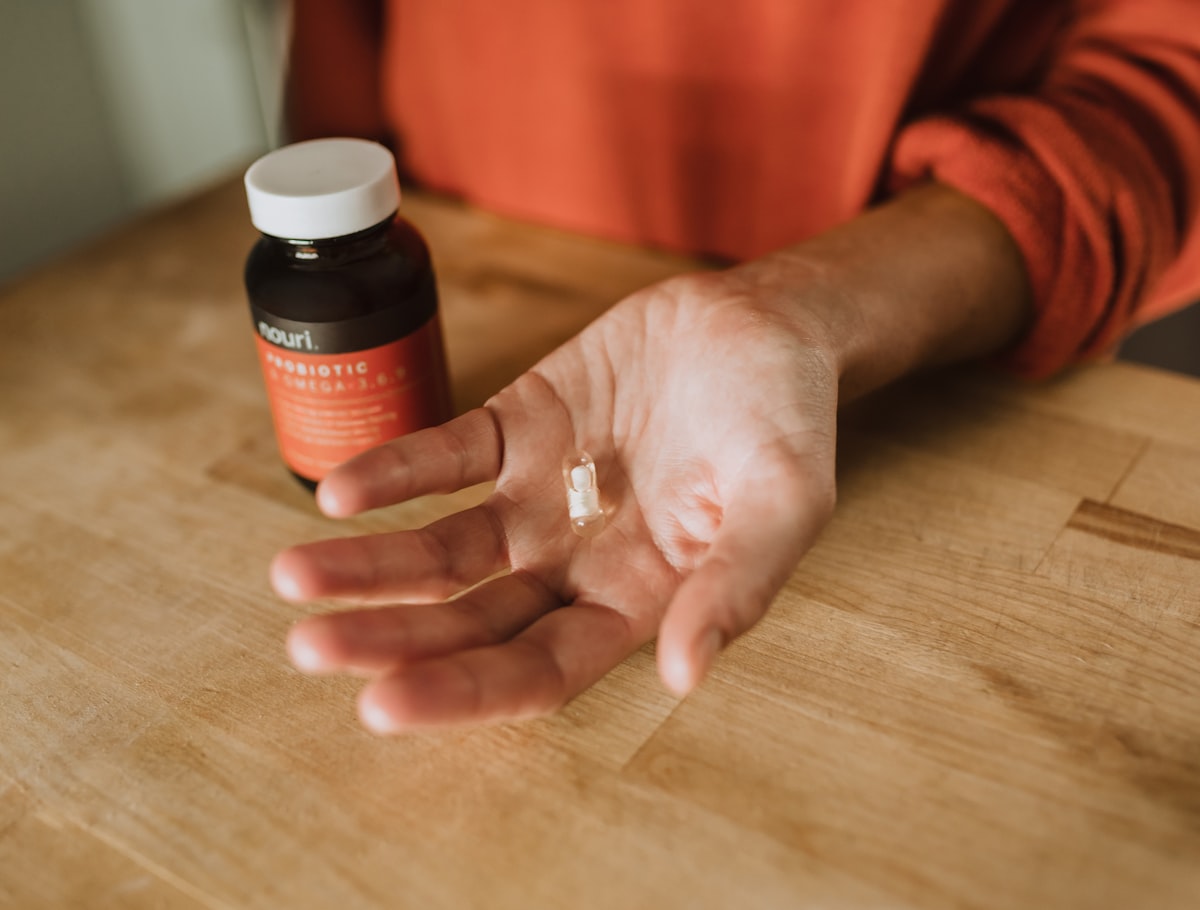
- Targeted supplements fill nutritional gaps, such as vitamin D and calcium for bone health, with magnesium or melatonin sometimes used for sleep.
- Behavioral therapies address specific functional problems: CBT-I for insomnia, clinical hypnosis for hot flashes, pelvic floor therapy for urinary symptoms.
- Hormone therapy or non-hormonal medications provide systemic relief when symptoms are moderate to severe and lifestyle changes alone are not sufficient.
Each layer amplifies the others. HRT works better when you are exercising, eating well, and managing stress. CBT-I is more effective when you have addressed sleep hygiene basics. Supplements fill gaps that lifestyle changes cannot fully cover. The whole becomes greater than the sum of its parts.
Building Your Personal Plan
Step 1: Start With the Foundation (Week 1-2)
Regardless of what else you do, these lifestyle changes form the base:
- Exercise: Begin strength training 2x/week and add short HIIT sessions. If you are starting from zero, walking 30 minutes daily is a valid beginning.
- Nutrition: Increase protein to 25-30g per meal. Reduce sugar, alcohol, and processed food. Add phytoestrogen-rich foods (soy, flaxseed).
- Sleep hygiene: Bedroom at 65-68°F, no caffeine after noon, consistent wake time, morning light exposure.
- Stress basics: 10 minutes daily of meditation, breath work, or time in nature.
Step 2: Consider Targeted Supplements (Week 2-3)
Based on your specific symptoms, add evidence-based supplements:
- If your diet suggests a gap: Vitamin D3 (1,000-2,000 IU daily) is reasonable to fill. Ask before adding anything new, especially if you take other medications.
- Sleep issues: Magnesium (no more than 350 mg a day from supplements) or melatonin (0.5-1 mg, 30 minutes before bed) may help some people. CBT-I is the first-line treatment for chronic insomnia.
- Mood/energy: Evidence for supplements here is weak. A B-complex can correct a deficiency, but it is not a treatment for low mood.
- Bone health concern: Add calcium (500-600 mg if dietary intake is low)
- Brain fog: Evidence is early. Creatine (3-5 g daily) is being studied, mainly alongside exercise. See what the research says about perimenopause supplements for more detail.
Step 3: Address Specific Symptoms With Behavioral Therapies (Week 3-4)
If specific symptoms persist, add targeted behavioral approaches:
- Can’t sleep despite good sleep hygiene: Start CBT-I (4-8 sessions, available digitally)
- Hot flashes significantly bothersome: Clinical hypnosis (5 sessions) or CBT for hot flashes
- Urinary leakage or pelvic floor issues: Pelvic floor physical therapy
- Persistent anxiety/stress: MBSR (Mindfulness-Based Stress Reduction) program
Step 4: Evaluate Whether Medical Treatment Is Needed (Week 4-6)
After 4-6 weeks of lifestyle changes and supplements, honestly assess your symptoms:
- Mild symptoms that have improved: Continue your current plan. You may not need medical treatment.
- Moderate symptoms that are still affecting quality of life: Time to talk to a menopause-trained clinician about HRT or non-hormonal medications.
- Severe symptoms from the start: Do not wait 6 weeks. Pursue medical treatment now while building your lifestyle foundation simultaneously.
You Don’t Have to “Earn” Medical Help
If your symptoms are severe, if you cannot sleep, cannot function at work, if your relationships are suffering, if you are struggling with your mental health, you do not need to try yoga and magnesium for six weeks before you are “allowed” to consider medication. Start medical treatment and lifestyle changes at the same time. They are not competing approaches; they are complementary ones.
Sample Combination Plans
These are not prescriptions. They are examples of how different women might layer treatments based on their situations. Your actual plan should be developed with your healthcare provider.
Plan A: Mild Symptoms, Preferring Minimal Intervention
- Strength training 2x/week + yoga 1x/week
- Mediterranean-style diet with increased protein
- Magnesium glycinate at night + vitamin D3 daily
- Sleep hygiene optimization
- 10-minute daily mindfulness practice
Plan B: Moderate Symptoms, Open to Medical Treatment
- Everything in Plan A, plus:
- Transdermal estradiol patch + micronized progesterone at bedtime
- CBT-I for persistent sleep issues
- Melatonin (0.5 mg) for sleep onset support
Plan C: Moderate-Severe Symptoms, Cannot Use Hormones
- Everything in Plan A, plus:
- Elinzanetant (Lynkuet) or fezolinetant (Veozah) for hot flashes (fezolinetant carries a boxed warning for liver injury and requires regular liver blood tests)
- CBT-I for insomnia + clinical hypnosis for hot flashes
- Local vaginal estrogen for vaginal dryness (guidelines support it for many women who cannot use systemic HRT; breast cancer survivors should decide with their oncology team)
- Pelvic floor therapy if needed
Plan D: Comprehensive Approach for Significant Impact
- Strength training 3x/week + HIIT 1-2x/week + yoga 1x/week
- Mediterranean diet, high protein, low alcohol
- Supplements only where there is a gap (for example vitamin D or calcium)
- HRT (transdermal estradiol + progesterone)
- CBT-I + mindfulness practice
- Pelvic floor therapy
- Regular follow-up with a menopause-trained provider
Personalization Matters
There is no single “best” perimenopause treatment plan. What works depends on:
- Your symptom profile: Hot flashes as the dominant issue requires a different approach than insomnia-dominant or mood-dominant perimenopause.
- Your health history: Breast cancer history, clotting risk, liver conditions, and other factors determine which medical options are appropriate.
- Your preferences: Some women prefer to maximize lifestyle and behavioral approaches before adding medication. Others want the most effective medical treatment available right away. Both are valid.
- Your life context: A realistic plan accounts for your schedule, budget, access to providers, and what you can actually sustain.
- How your body responds: Perimenopause management often involves some trial and adjustment. What works beautifully for one woman may not work for you, and vice versa.
Working With Your Provider
To get the most out of a clinician visit for perimenopause management:
- Document your symptoms. Use our free assessment or a symptom tracker to bring organized data about what you are experiencing, how severe it is, and how it affects your daily life.
- Be specific about what you have already tried. “I’ve been strength training 2x/week, cut alcohol, and take magnesium. My sleep is better but hot flashes are still 6-8 per day” gives your provider much more to work with than “I’ve tried lifestyle changes.”
- Ask about all options. A good menopause-trained provider should discuss lifestyle, behavioral, hormonal, and non-hormonal approaches, not just one category.
- Plan for follow-up. Your initial plan will likely need adjustment. Schedule a follow-up in 6-8 weeks to evaluate what is working and what needs to change.
If your current provider is not knowledgeable about menopause management or dismisses your symptoms, seek a different provider. You deserve comprehensive care. Our Getting Care section can help you find one, and our guide to advocating for yourself at appointments can help you make the most of each visit.
The Big Picture
Perimenopause is a transition, not a disease. But it can be profoundly disruptive, and you deserve effective help. The most effective help is almost always a combination: a strong lifestyle foundation, targeted supplements, evidence-based behavioral approaches, and medical treatment when warranted. You do not have to figure this out alone, and you do not have to settle for “just push through it.”